An image production workflow for a European fintech, designed to outlive any single AI tool. Built around a prompt generator and a collection of on-brand images, with team training so the brand team runs it independently.

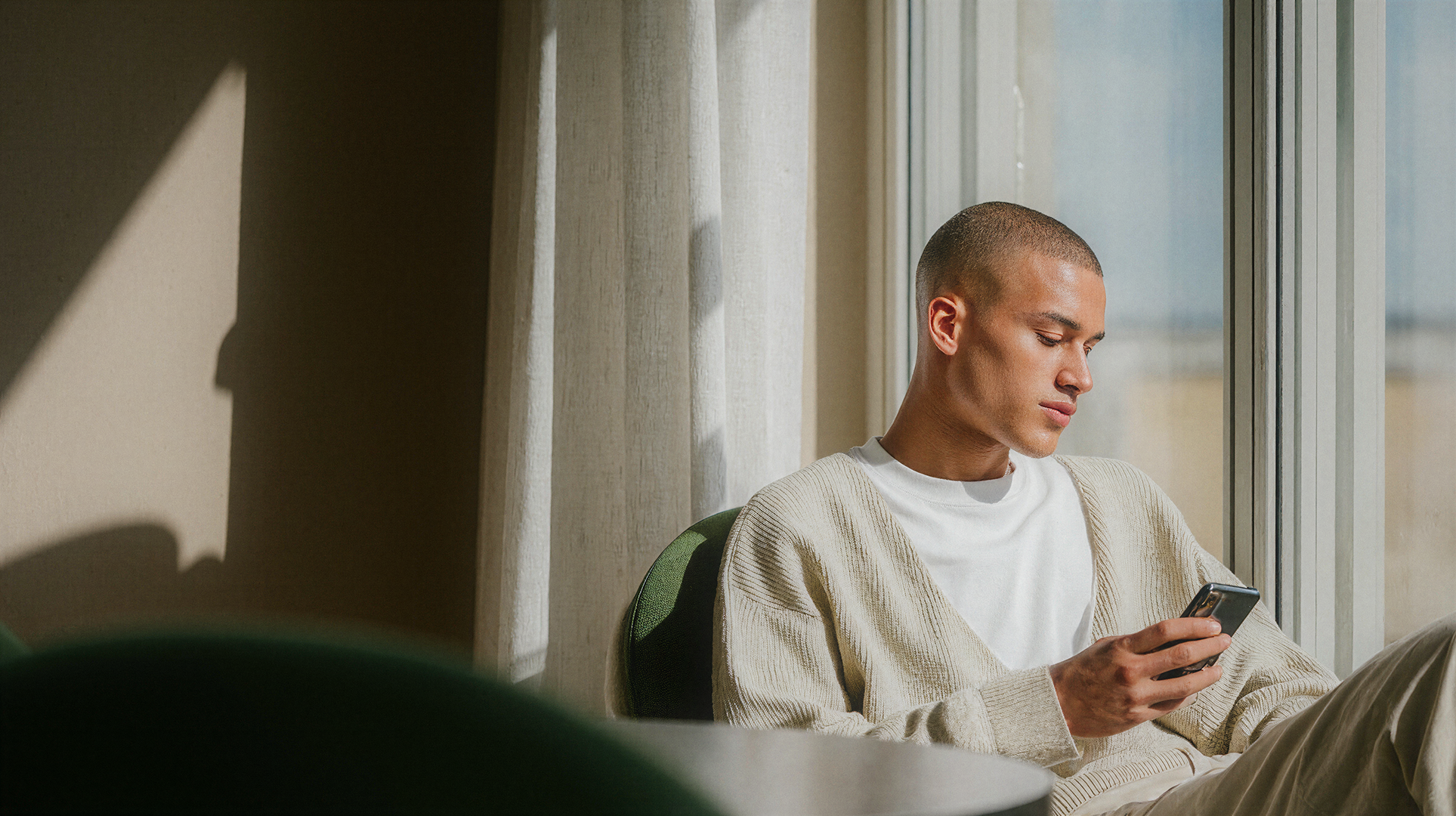
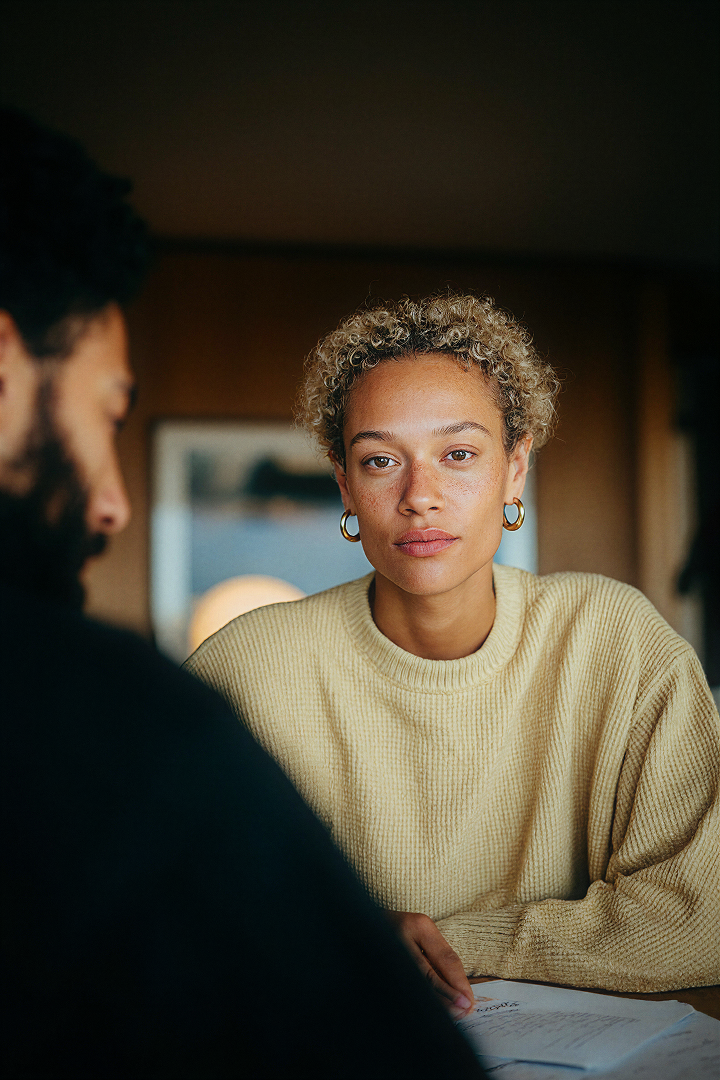

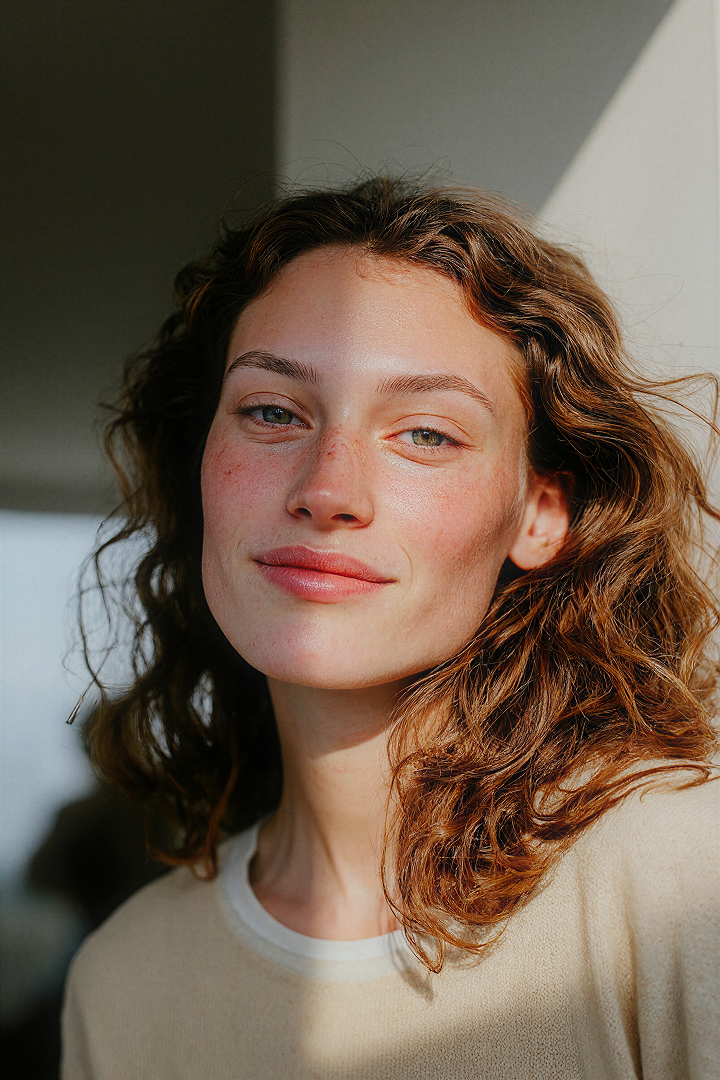
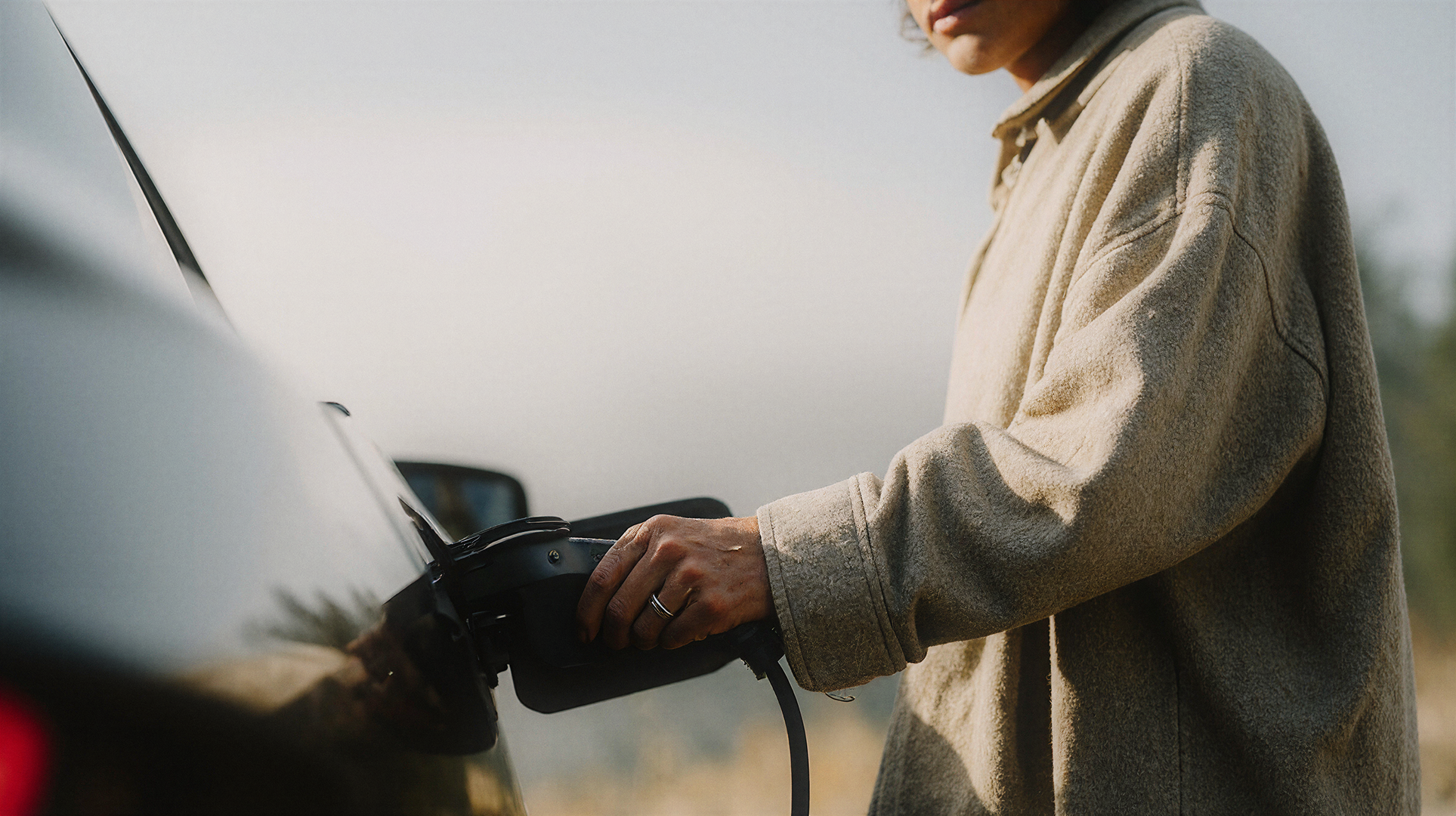

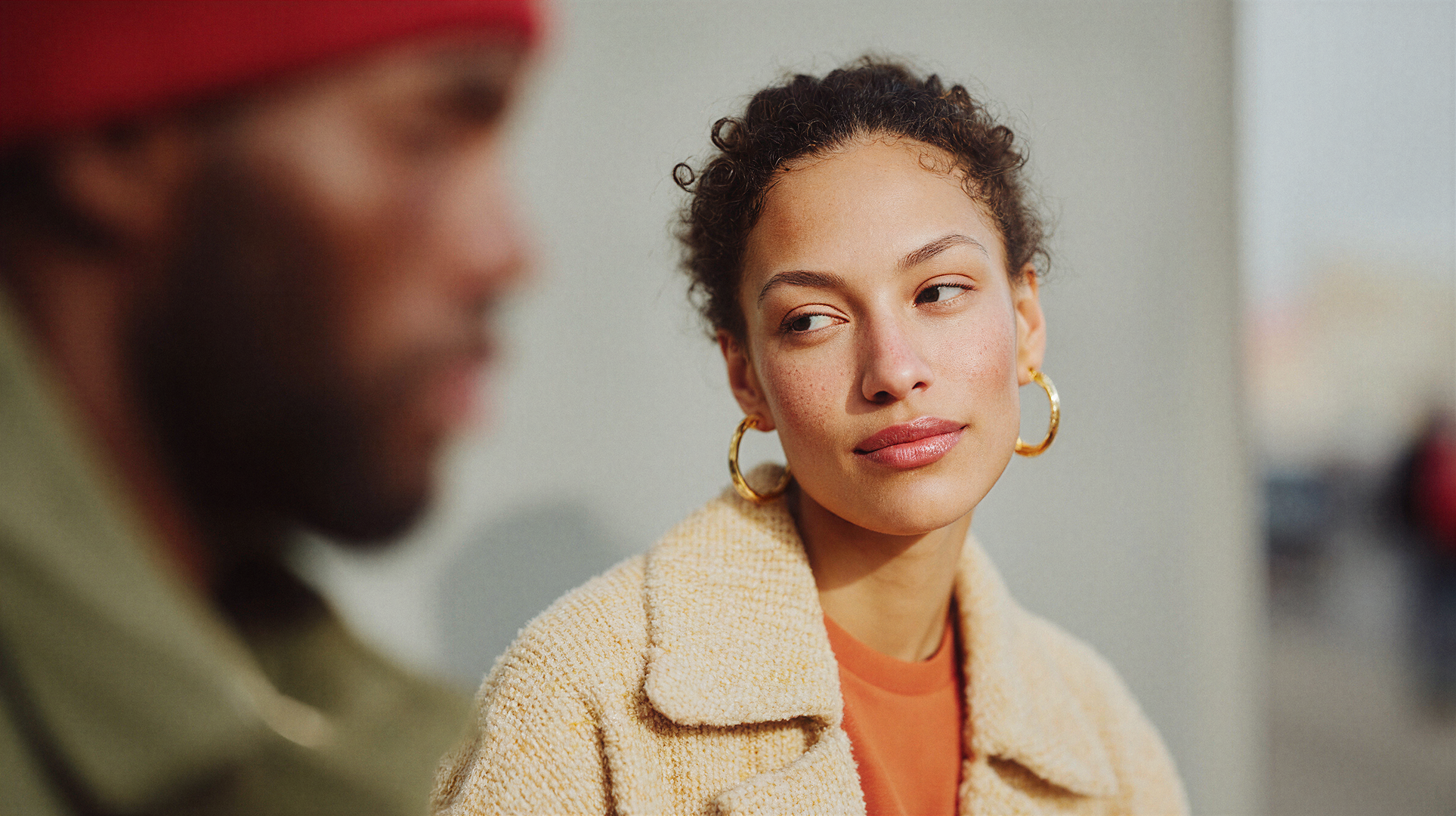
Riverty's visual identity sits in a difficult spot. The imagery is specific enough that stock libraries can't deliver it, but the production volume is too high to commission a photographer for every visual the brand needs. The team needed a third option.
The brief was to build a workflow the in-house brand team could run on their own. Something that produced on-brand images at the speed of stock, with the quality of commissioned photography, and didn't depend on any one AI tool to keep working.
Tools change, get bought, change pricing, or lose their corporate licensing. The workflow had to be built around two transferable assets: a prompt generator the team could use anywhere, and a collection of on-brand images that works as a Midjourney moodboard, a Flux LoRA, a Freepik style reference, or whatever comes next.
It's a procurement and compliance one. Midjourney has no corporate licensing path. Freepik does, and is actively building for enterprise.
It was a system the in-house brand team could run independently, with training that covered prompt construction, style reference management, and quality control. Knowledge transfer was the point.
The system was delivered in two parts: a prompt generator that turned plain-language briefs into working prompts, and a collection of on-brand images that could be applied across Midjourney, Flux, Freepik, and any other current or future model. Training was built into the handover, so the brand team could run the workflow themselves from day one.
When Riverty later migrated from Midjourney to Freepik (for corporate licensing reasons), the workflow stayed intact. The prompt generator kept working. The collection of on-brand images carried straight over. The tool changed underneath. The system above it didn't.
For people in motion, ready to test, willing to discard.
Tell me what you're working on →